
- License #: CBC1263421
- (386) 313-6143
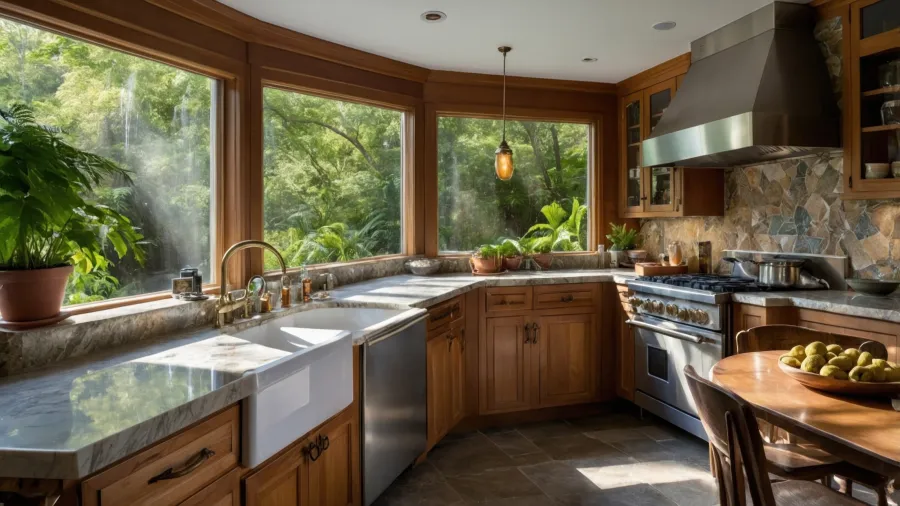
One of the most frequent missteps homeowners make is diving into a kitchen renovation without a comprehensive plan. The excitement of transforming your space can lead to hasty decisions that result in budget overruns, timeline delays, and disappointing outcomes. Before making any changes, establish clear goals for your remodel, including how you use your kitchen daily, what storage solutions you need, and which features matter most to your household.
In Palm Coast, where many homes feature open-concept layouts that connect kitchens to living areas, proper planning becomes even more critical. You need to consider how your kitchen renovation will flow with adjacent spaces, especially during Florida’s rainy season when indoor entertaining becomes more common. A detailed plan should include accurate measurements, appliance specifications, material selections, and a realistic timeline that accounts for potential delays.
Working with experienced professionals who understand local building codes and permitting requirements can save significant time and expense. They can help you avoid costly mistakes like ordering cabinets that don’t fit your space or selecting materials that won’t hold up well in Florida’s humid climate. Taking the time to plan thoroughly at the start will prevent expensive corrections later in the project.
The kitchen work triangle, which connects your sink, stove, and refrigerator, remains a fundamental principle of functional kitchen design. Many homeowners become so focused on creating a beautiful space that they overlook how they will actually move through and use the kitchen. When this triangle is poorly configured, simple tasks like preparing meals become frustrating exercises in wasted steps and inefficient workflows.
Each leg of the work triangle should measure between four and nine feet, with the total perimeter ranging from 13 to 26 feet. Placing these key elements too far apart forces unnecessary movement during meal preparation, while positioning them too close creates a cramped workspace. Islands can disrupt this flow if not properly positioned, and adding too many cooks to the equation during the design phase can compromise functionality.
Consider how you actually use your kitchen before finalizing the layout. Do you frequently cook large meals? Do multiple people need to work in the space simultaneously? These usage patterns should drive your layout decisions. A poorly planned work triangle cannot be easily corrected after installation without significant additional expense, making this one error you cannot afford to make.
Insufficient storage ranks among the top regrets homeowners express after completing a renovation. The allure of sleek, minimalist designs with open shelving and glass-front cabinets can overshadow practical storage needs. While these features add visual appeal, they rarely provide adequate space for the cookware, small appliances, pantry items, and serving pieces most households accumulate over time.
Before reducing cabinet space for design elements, conduct an honest inventory of what you need to store. Account for seasonal items, specialized cooking equipment, and bulk purchases that many families make to reduce shopping frequency. In coastal areas like Palm Coast, homeowners often need extra storage for entertaining supplies, beach coolers, and outdoor dining equipment that requires indoor storage during hurricane season.
Maximize every inch of available space by incorporating pull-out shelves, corner cabinet solutions, vertical dividers for baking sheets, and designated spaces for small appliances. Upper cabinets that extend to the ceiling provide valuable storage for items used less frequently. The investment in quality storage solutions pays dividends in daily convenience and helps maintain the clean, organized appearance that makes your kitchen enjoyable to use.
Material selection significantly impacts both the appearance and longevity of your renovation. Choosing countertops, flooring, and cabinetry based solely on appearance without considering durability and maintenance requirements leads to premature wear and costly replacements. Beautiful but delicate materials may look stunning in showrooms but prove impractical for active kitchens where spills, heat exposure, and heavy use are daily realities.
Florida’s climate presents unique challenges that affect material performance. High humidity levels can cause certain wood products to warp or swell, while intense sunlight streaming through windows can fade some countertop materials. Flooring must withstand not only regular kitchen traffic but also the sand and moisture that coastal living brings indoors. Selecting materials engineered to perform well in these conditions prevents disappointing results.
Research the maintenance requirements before committing to any material. Some natural stone countertops require regular sealing, certain flooring types show every footprint, and specific cabinet finishes demand special cleaning products. Understanding these needs upfront helps you select materials that match your lifestyle and willingness to perform ongoing maintenance. Quality materials appropriate for your specific needs represent a wise investment that protects your renovation budget.
Lighting transforms both the functionality and ambiance of your kitchen, yet many renovations treat it as an afterthought. Depending solely on overhead lighting creates shadows in work areas, makes food preparation more difficult, and fails to highlight the design features you invested in creating. A well-designed lighting plan incorporates multiple layers: task lighting for work surfaces, ambient lighting for overall illumination, and accent lighting to showcase architectural details.
Task lighting should illuminate countertops, the sink area, and the range without creating glare or shadows. Under-cabinet lighting provides excellent task illumination while also adding visual warmth during evening hours. Pendant lights over islands serve both functional and decorative purposes, but they must be positioned at the correct height to provide adequate light without obstructing sightlines across the room.
Consider how natural light changes throughout the day and how your artificial lighting can complement it. In Palm Coast, where outdoor living is popular year-round, kitchens often connect to patios or outdoor spaces, requiring lighting that transitions smoothly between indoor and outdoor areas. Dimmer switches allow you to adjust lighting levels for different activities, from bright illumination for meal preparation to softer lighting for entertaining. Investing in a thoughtful lighting design enhances both the beauty and usability of your space.
At Terrence Miner Remodeling & Construction, we bring over 25 years of hands-on experience to every project in Palm Coast and the surrounding areas. Our team understands the unique challenges of kitchen remodeling in Florida’s coastal climate and works closely with homeowners to avoid these common pitfalls. From initial planning through final installation, we provide the guidance and craftsmanship needed to create a kitchen that balances beauty, function, and durability. Our commitment to quality and personalized service ensures your renovation investment delivers lasting value.